
As the last echoes of Christmas fade and the New Year celebrations become a distant memory, spare a thought for those returning to the fields. The first Monday after Twelfth Night (or Epiphany) marks Plough Monday in England—a day steeped in ancient customs, signalling the return to agricultural labour after the long Christmas break.
While the modern world has shifted, the spirit of Plough Monday, with its unique rituals and hearty foods, reminds us of the cycles of life, work, and community. For a writer, it’s a fascinating glimpse into a historical England ripe with tradition.
The Plough Procession: Noise, Donations, and Misrule
The central event of Plough Monday was always the plough procession. Farm labourers would take a beautifully decorated plough through their village or town, often accompanied by lively (and sometimes raucous) characters.
-
The Plough and its Decoration: The plough itself, freshly polished and adorned with ribbons and evergreens, symbolised the vital tool for the coming year’s harvest.
-
The “Plough Jags” or “Plough Stots”: These were the young men (and sometimes women) who pulled the plough, dressed in their finest (or wildest!) clothes, often with painted faces or elaborate costumes. They would dance and perform, collecting money from onlookers.
-
The Sword Dancers: In some regions, especially in the North and East of England, the procession would feature traditional morris dancers or sword dancers, adding a theatrical and somewhat ritualistic element to the proceedings. Their intricate dances often symbolised death and rebirth, bringing good fortune for the crops.
-
The “Fool” or “Bessy”: A key character was the “Fool” or “Bessy”—a man dressed as a woman—who would collect money, sometimes with a menacing gesture of the ploughshare to encourage donations!
“Plough Money” and the Threat of the Ploughshare
The primary purpose of the procession was to collect “Plough Money.” This wasn’t charity; it was a traditional due owed to the labourers.
-
Door-to-Door Collections: The plough would often be drawn to the doors of wealthier villagers, demanding money. Those who refused risked having a furrow ploughed across their lawns or even their doorways, a playful but firm reminder of the power of the working people. This act of “misrule” harked back to the festive inversions of Twelfth Night.
-
The Church’s Role: Historically, the collected money often went to light a “Plough Light” in the local church, to bless the fields for the year ahead.
Hearty Fare to Mark the Return to Work
After a day of demanding the respect (and money) they were due, the labourers needed a hearty meal. The foods associated with Plough Monday were, predictably, warming and substantial.
-
Regional Ales and Ciders: Plenty of local ale or cider would have been consumed, acting as both refreshment and a celebratory drink for a day of hard-won earnings.
-
Traditional Stews and Pastries: While no single dish is universally tied to Plough Monday, the meal would have consisted of filling, economical fare. Think thick meat stews, root vegetables, and pastries or pies made with whatever provisions remained from the Christmas store, designed to sustain them through the cold, demanding days to come.
-
Leftover Feasting: The food would have been a final, satisfying meal before the strictures of everyday winter work began in earnest. It’s a last echo of festive feasting before the long stretch until spring.
The Cycle Continues
Plough Monday reminds us of the deep connection between people, land, and the changing seasons. It’s a day of protest, celebration, and preparation, marking the solemn (and often noisy) return to the rhythm of rural life.
As we put away our own decorations, it’s helpful take a moment to reflect on these ancient customs. They remind us that even after the wildest parties, there’s always a new season of work—and perhaps a new mystery—waiting to be unearthed.
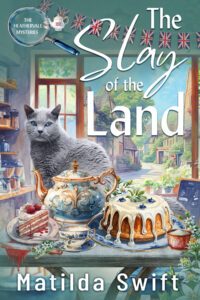 A cozy English village. A brutal murder. A sharp woman who sees through the lies.
My Heathervale Mysteries, set in the heart of the English countryside, are packed with rural traditions and modern, murderous twists. Start with book #1, The Slay of the Land, and join strong-willed Arrina Fenn, her baker best-friend Julie Wen, and her sleek silver cat Tinsel. Enjoy small town charm, deadly secrets, and one determined sleuth.